LoveTorrent
 (No Ratings Yet)
 Loading...
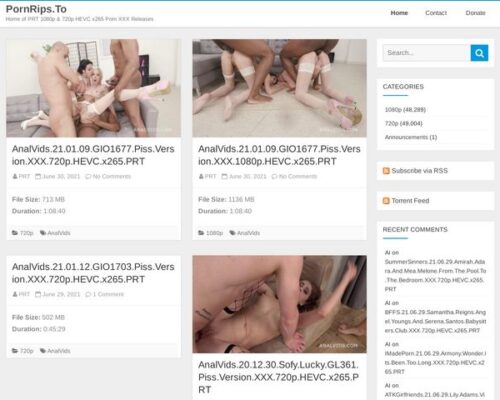
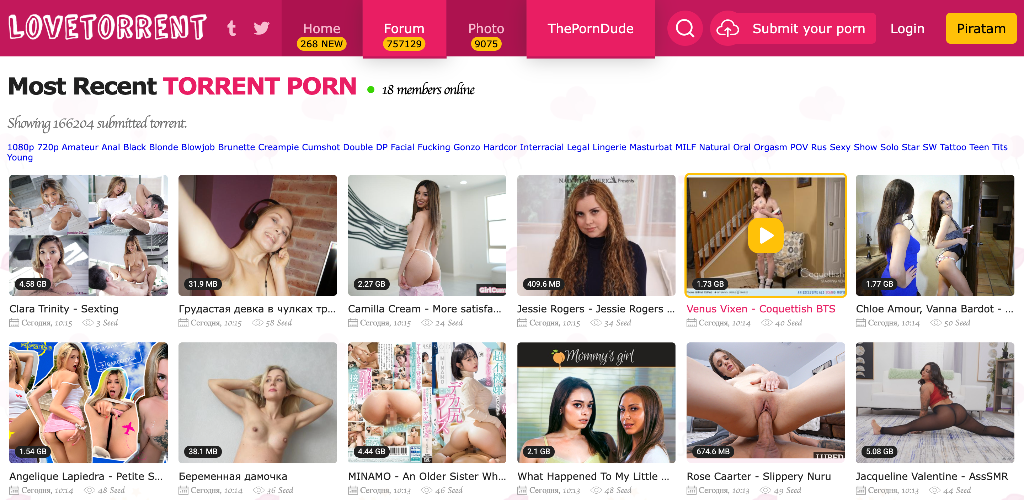
LoveTorrent doesn’t feel like the old-school torrent sites filled with plain text and long lists of links. When you open it, you see thumbnails, dates, and a layout that almost resembles a media catalog. Underneath that appearance, though, it works as a classic torrent tracker where everything is built around indexed files rather than streaming.
The platform has been active for years, and that history shows in the size of its archive and the activity around it. Files don’t sit without seeds for long, which is important in any torrent environment.
Browsing is visual, not technical
Instead of heavy menus and complicated filters, the homepage lets you scroll through preview images with clear upload dates and a visible counter showing just how many files have been posted over time. Even older entries tend to remain active because the user base continues seeding them.
The experience feels more like browsing a gallery than navigating a technical tracker.
Search does most of the sorting
There isn’t a giant tag directory, but individual torrents are labeled carefully. Titles, performers, studios, and themes are usually mentioned directly in the post, which makes the search bar surprisingly effective even with such a large archive.
The material mostly comes from recognizable studios, though independent and niche uploads also appear regularly.
Downloading happens outside the site
LoveTorrent doesn’t host the files itself. When you choose something, you’re redirected to external sources to grab the .torrent file, which you then open in standard BitTorrent software. It’s a slower process than streaming, but the reward is higher-quality files and reliable transfer speeds when seeds are available.
Related content categories
• Torrent-based media indexes
• High-seed archive collections
• Studio-labeled video libraries
• Community-driven sharing platforms
• Frequently updated torrent hubs