
 Loading...
Logging into a place that feels more like a hangout than a game
Red Light Center has been around for a long time, and the reason people still visit isn’t graphics or mechanics. It’s the simple idea of showing up somewhere, through an avatar, and finding other real people already there.
You don’t enter with a goal. You enter to walk around, talk, and exist in a shared 3D space that feels more like a digital meeting spot than a traditional game.
Rooms, clubs, open areas — places made for people
Inside, you move through different locations that feel built for gathering. Clubs where small groups stand and chat. Open spaces that act like public squares. Private rooms for quieter conversations. Events happen from time to time, but most of the activity is just people spending time together.
It feels closer to an old online social world than to anything modern and fast.
Installing the client and stepping inside
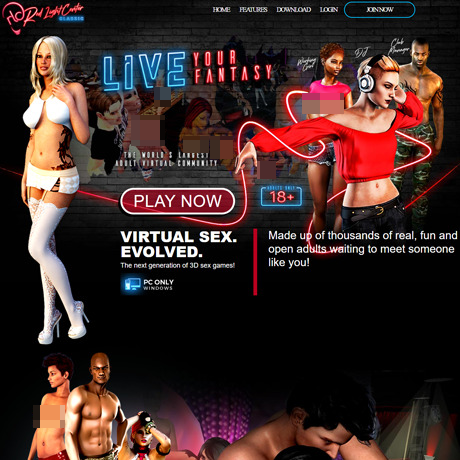
To get the full experience, you download a desktop client for PC or Mac. That’s where the world runs. After creating an account, you design your avatar and step into the environment. The client keeps things smooth and detailed in a way a browser couldn’t.
Your avatar becomes your presence
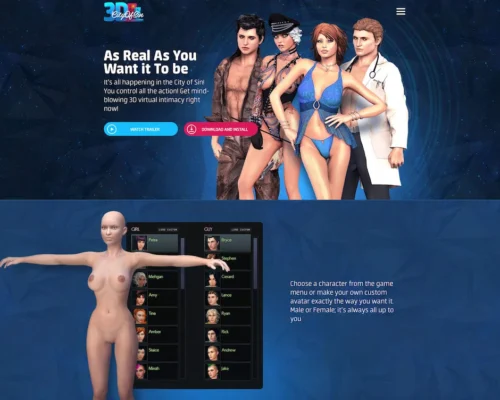
A lot of attention goes into how your character looks. You choose clothes, hair, body shape, and accessories. Over time, people build an appearance that becomes recognizable to others in the world. There are in-world shops where you can expand these options if you want more variety.
Community that continues outside the world
There are forums, event listings, private messages, and user groups that keep people connected even when they’re not logged in. A simple points system rewards friendly behavior and helps keep the atmosphere welcoming.
Free to enter, with extra options if you want them
You can explore most of the space without paying anything. Some additional features are part of a paid membership, which helps keep the platform running and updated.
A place that survives because people keep coming back
What makes Red Light Center interesting is not what it tries to be, but what it has quietly become over the years — a persistent digital place where users return simply to meet, talk, and spend time together in a shared 3D environment.
Related thematic categories
• Virtual social worlds and 3D communities
• Avatar customization platforms
• Online multiplayer interaction hubs
• Digital events and community spaces
• Immersive 3D simulation environments