
 Loading...
A roleplay space built around characters, not prompts
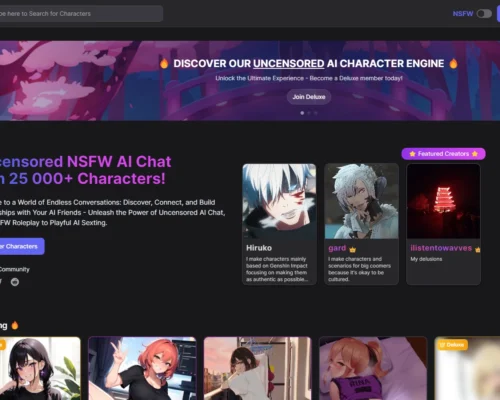
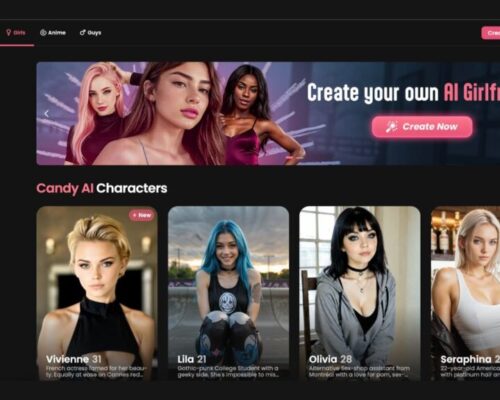
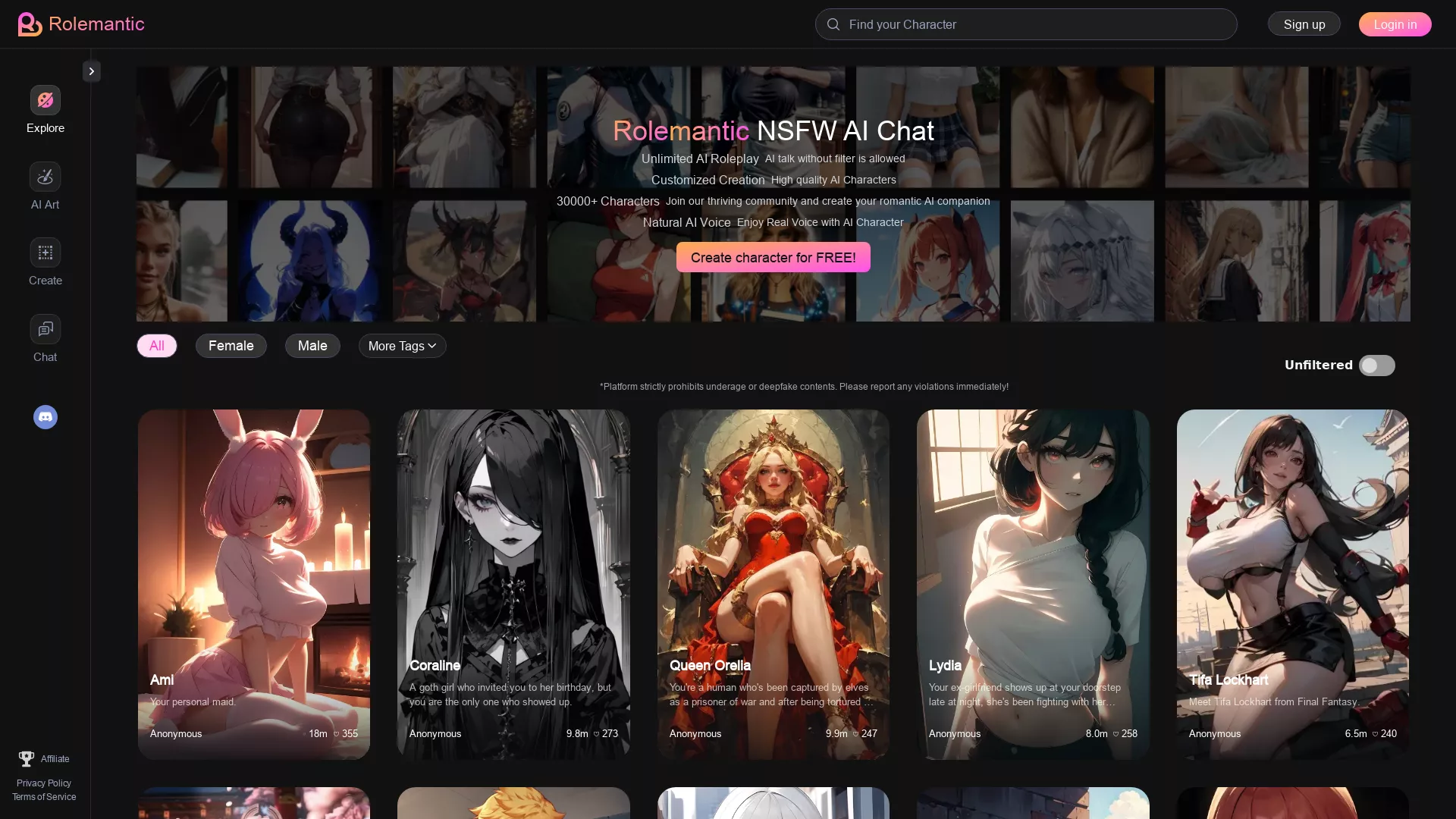
Rolemantic doesn’t start with tools. It starts with people — or at least with the feeling of them. You land on a page filled with ready-made personalities, each with a tone, a backstory, and a clear direction for how conversations might unfold. Instead of building a character from scratch, you step into one that’s already alive and start interacting.
A wide mix of personalities and story directions
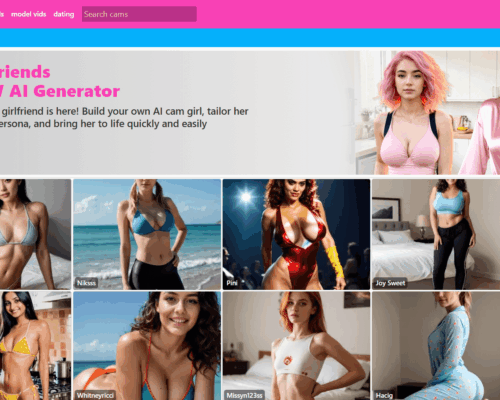
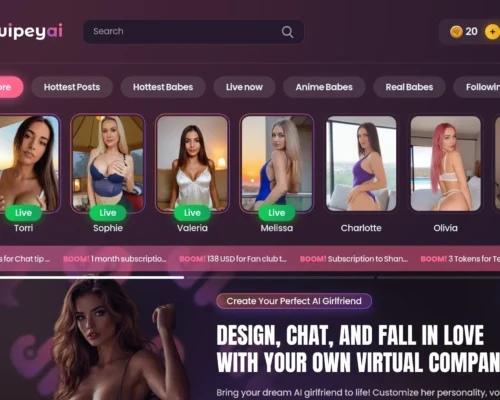
What stands out first is the range. Some characters lean into dramatic scenarios, others feel lighter or more casual. The difference isn’t only visual — it’s in how they “speak,” how they respond, and what kind of interaction they seem designed for. You’re not limited to one style of roleplay. You pick a mood and follow it.
You can steer conversations, shift the tone, push the story forward, or slow it down. The platform gives you room to guide the exchange without getting in your way. There are no complicated menus or steps before you begin — you open a chat and you’re already inside the experience.
Where the platform does its job well
As with most AI roleplay systems, everything depends on how believable the characters feel over time. Here, they hold up surprisingly well. Responses stay mostly consistent with the personality you chose, and dialogues don’t fall apart after a few messages. The system adapts to what you say without losing the thread of the scenario.
It’s a crowded niche, and many platforms offer similar promises. What helps Rolemantic is that it focuses on keeping the experience simple and character-driven rather than overwhelming you with options.
A comfortable place for story-led interaction
Rolemantic feels organized, easy to move through, and centered on the idea of interactive storytelling. The variety of personas gives you different directions to explore, and the structure lets you jump into conversations quickly without preparation.
Related Creative Content Categories
• AI character creation platforms and conversational engines
• Interactive roleplay systems and narrative generators
• Customizable virtual personas and dialogue tools
• Creative prompt-based storytelling suites
• Anime, CGI, and semi-realistic character libraries
• User-generated AI worlds and scenario builders
• Immersive AI interaction and simulation-based media
• Cross-platform tools for 2D and 3D character rendering
• Modern generative models for creative exploration